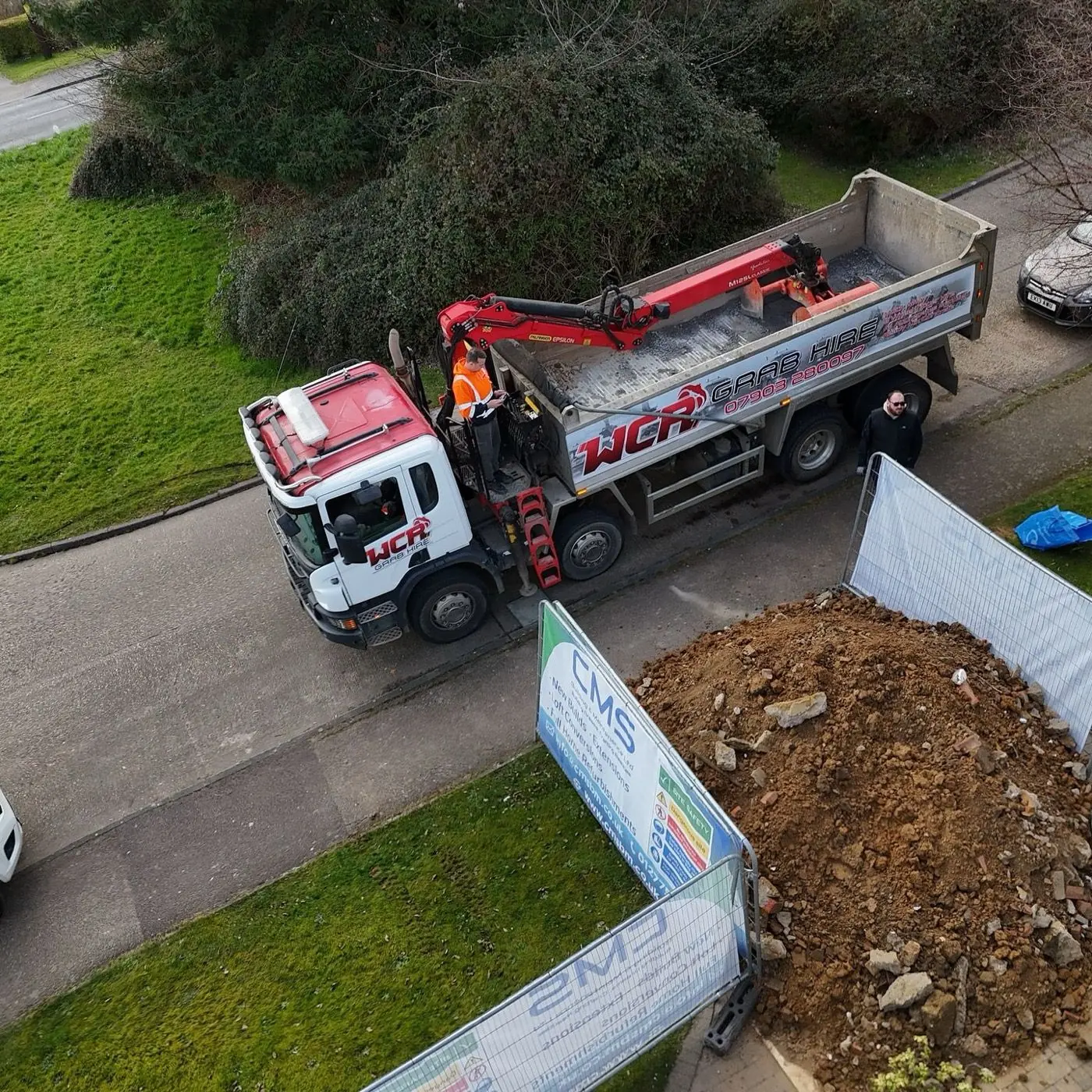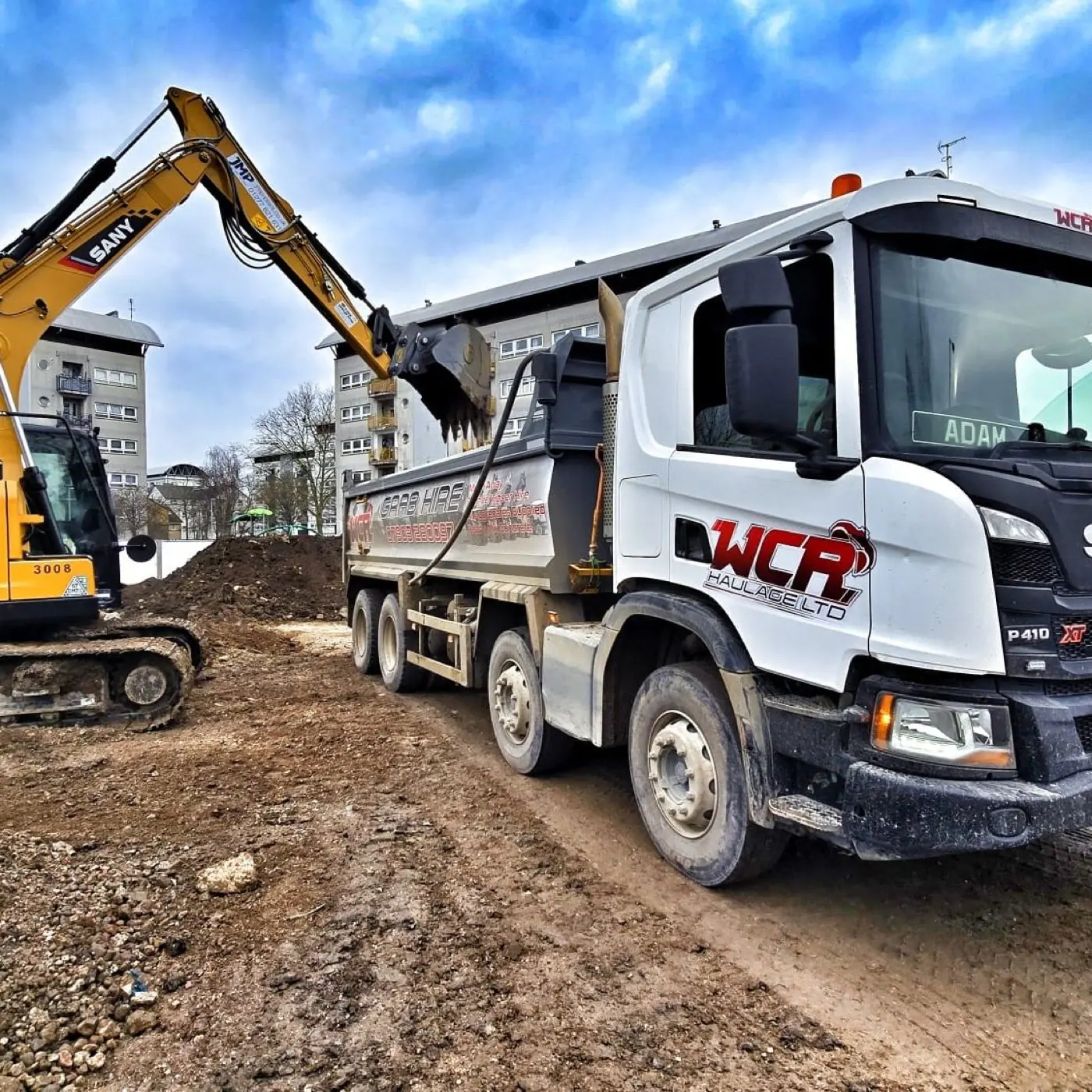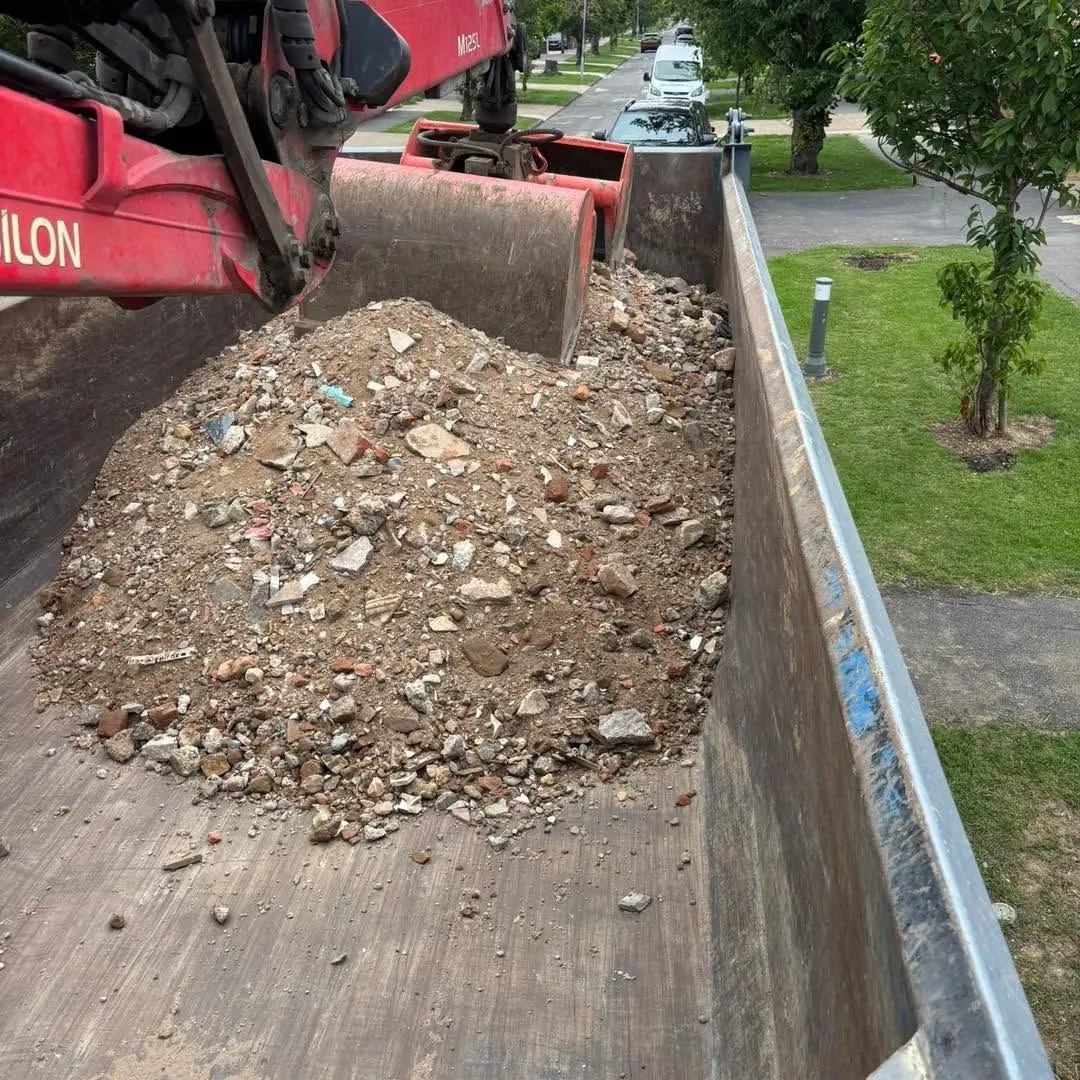
Start by recording the location and visible material from a safe position. Dumped waste can contain sharp, hazardous or unidentified items; the collection needs to be planned around what is present.
Record it without disturbing it
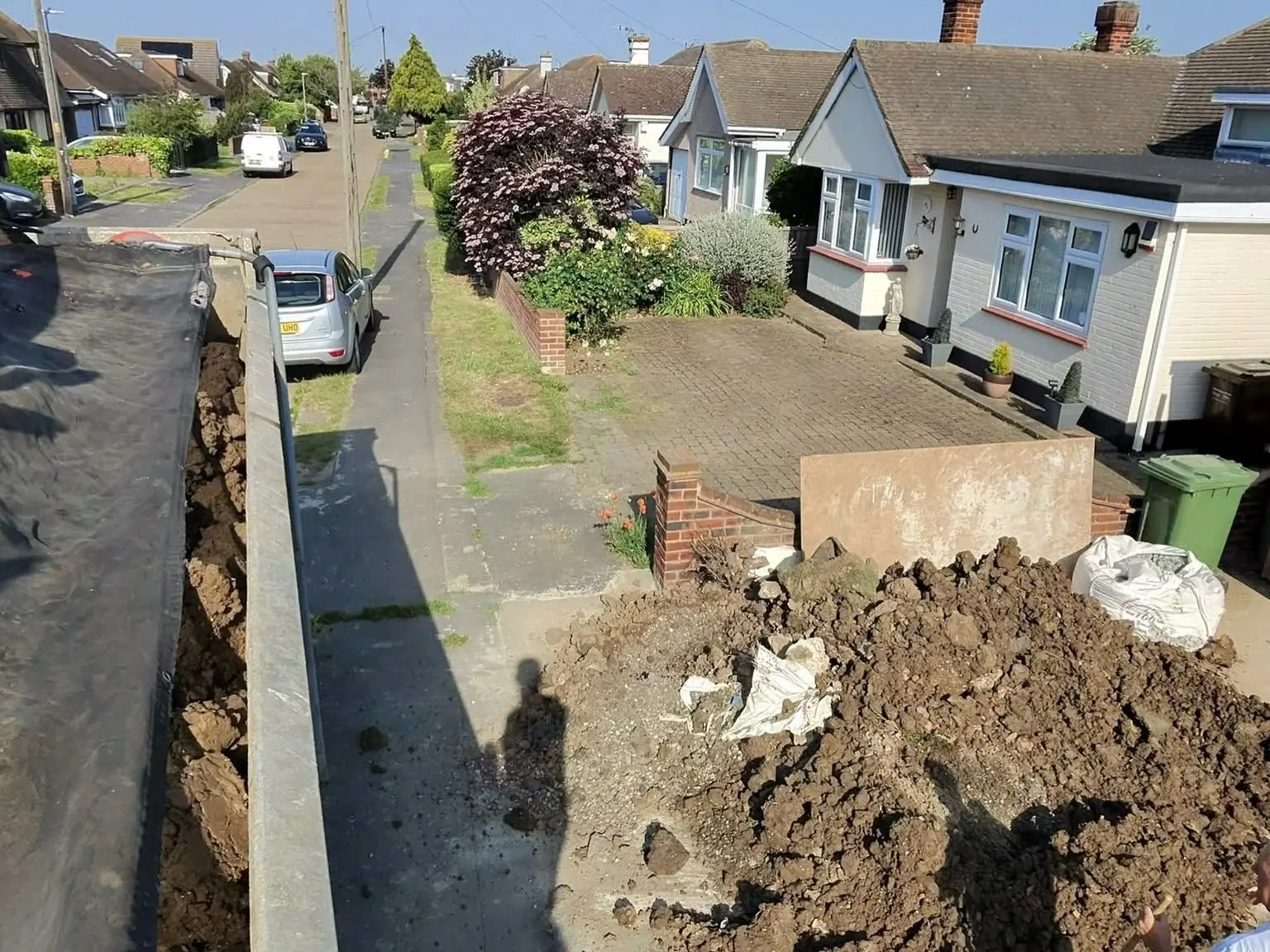
Take photos showing the overall pile and access route without handling suspect material. Note the location and any visible evidence. Do not open sealed containers or move possible asbestos to obtain a closer photograph.
Report the dumping
The GOV.UK fly-tipping reporting service helps identify the reporting route. Tell the relevant authority what you have found. Responsibility and clearance arrangements depend on the location and circumstances, so confirm these before booking work.
Describe the clearance enquiry
Send the full postcode, your role in managing the land, safe photos and a list of visible materials. Mention unknown containers, liquids or suspect hazardous items. We assess whether an appropriate collection arrangement can be made rather than assume every dumped material is suitable.
Agree the work and records
Confirm the scope, access, timing, price and applicable collection documentation. Keep your photos and records with any report to the authority or insurer. Call WCR to discuss the materials and the next practical step.
Your next step
Talk through the actual job.
Bring WCR your postcode, materials, quantities and access photos.
Explore waste removal