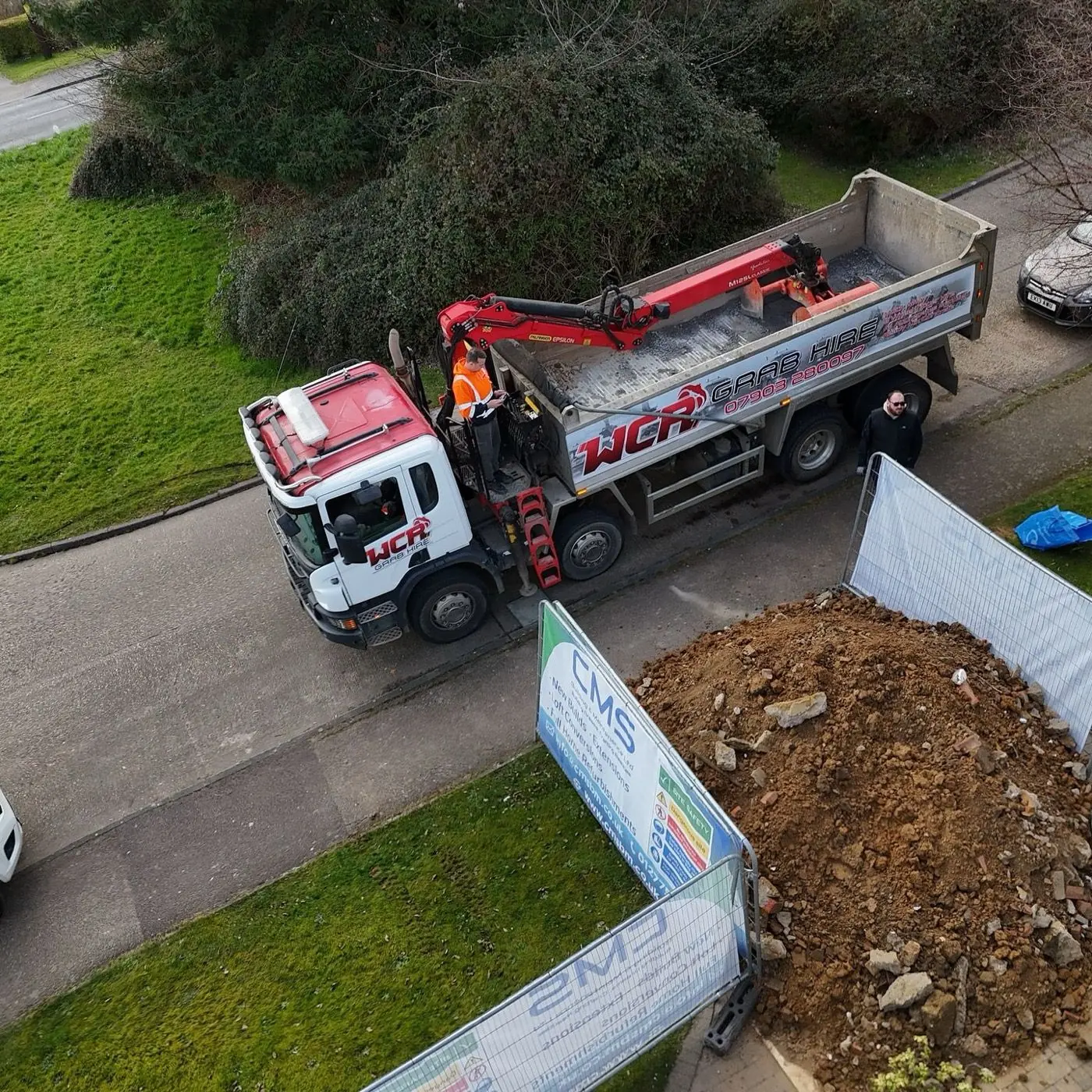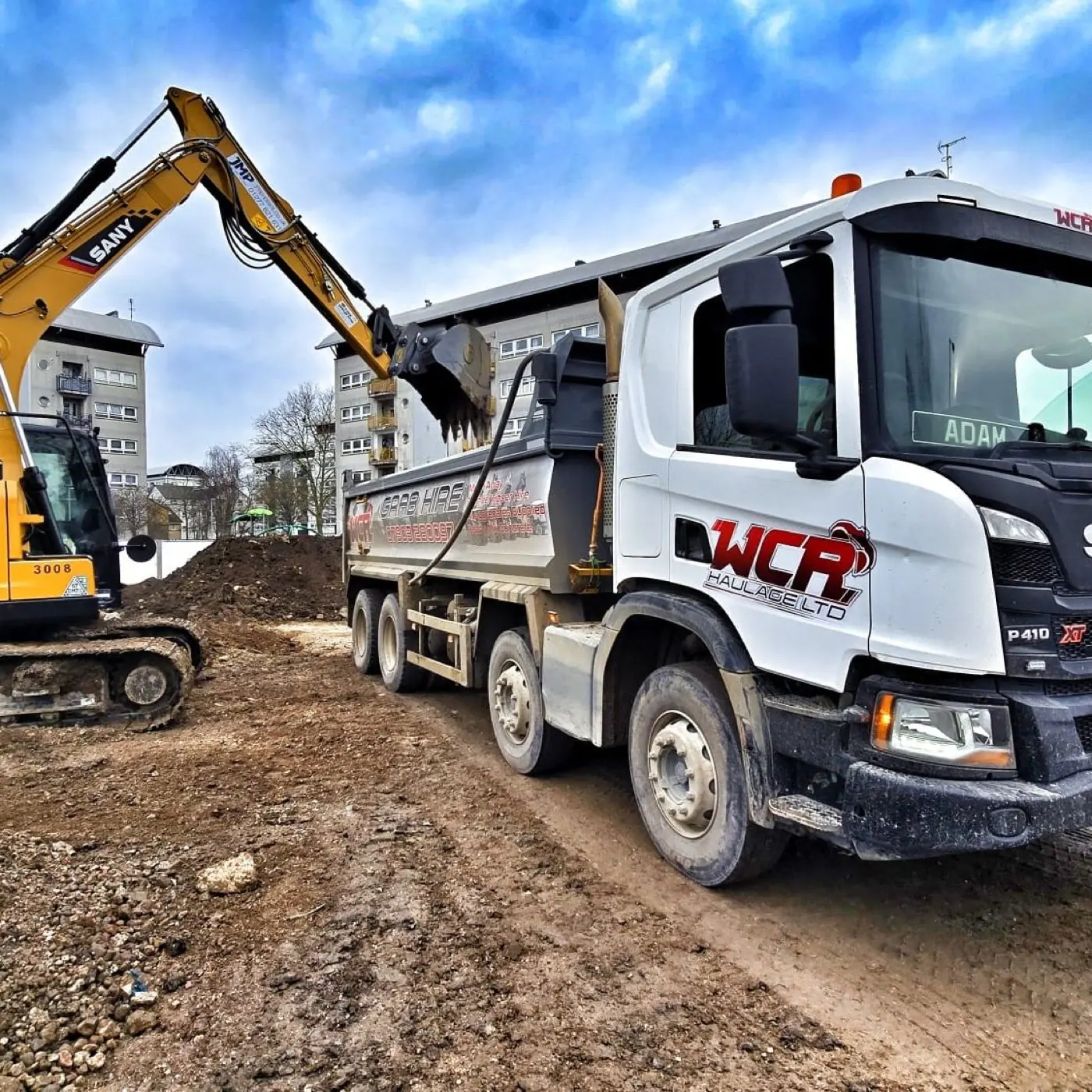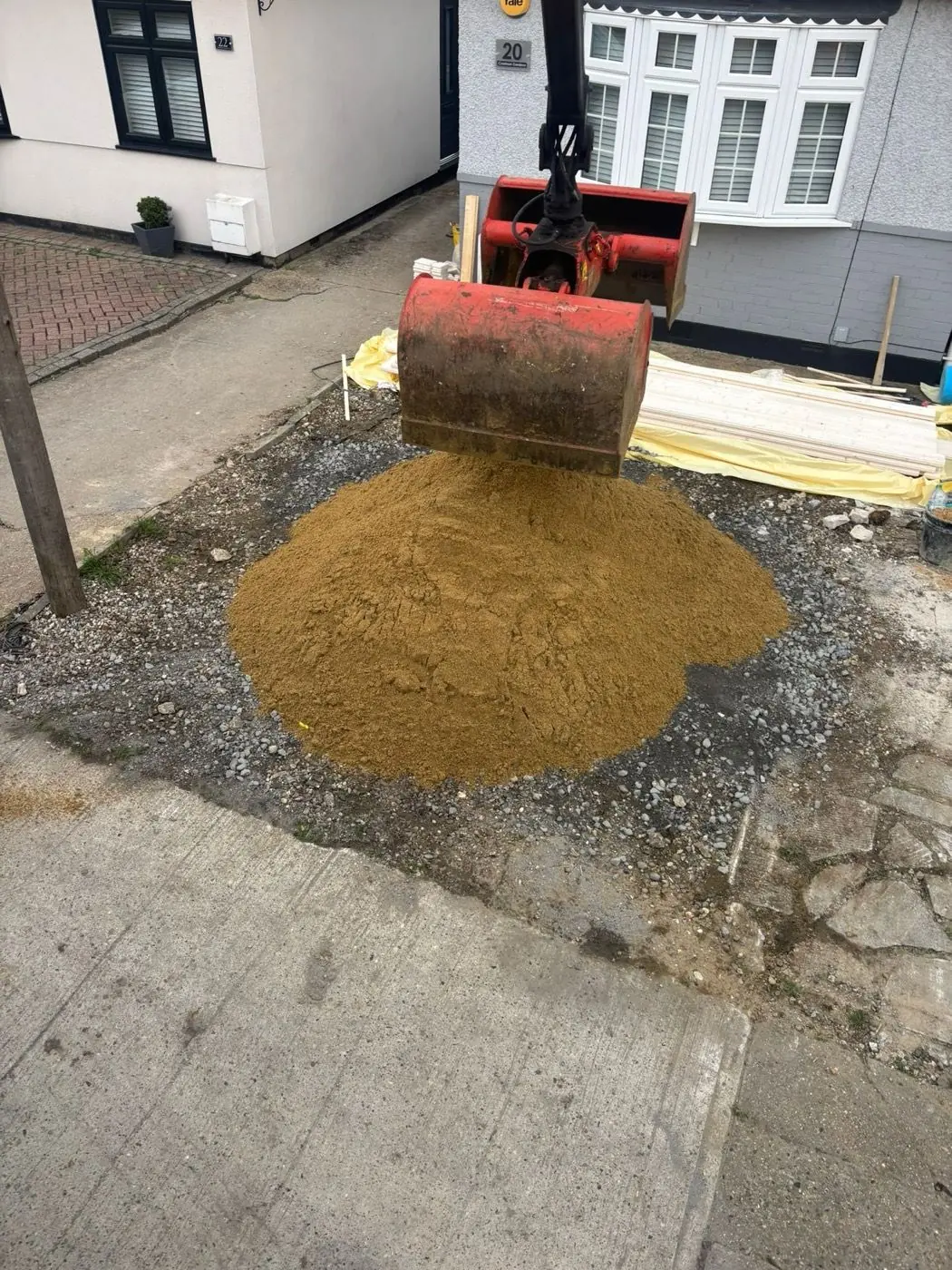
Choose an aggregate against its purpose and specification, then plan the quantity and delivery. The cheapest available material is not necessarily suitable for the layer or finish you are building.
Match the material to the job
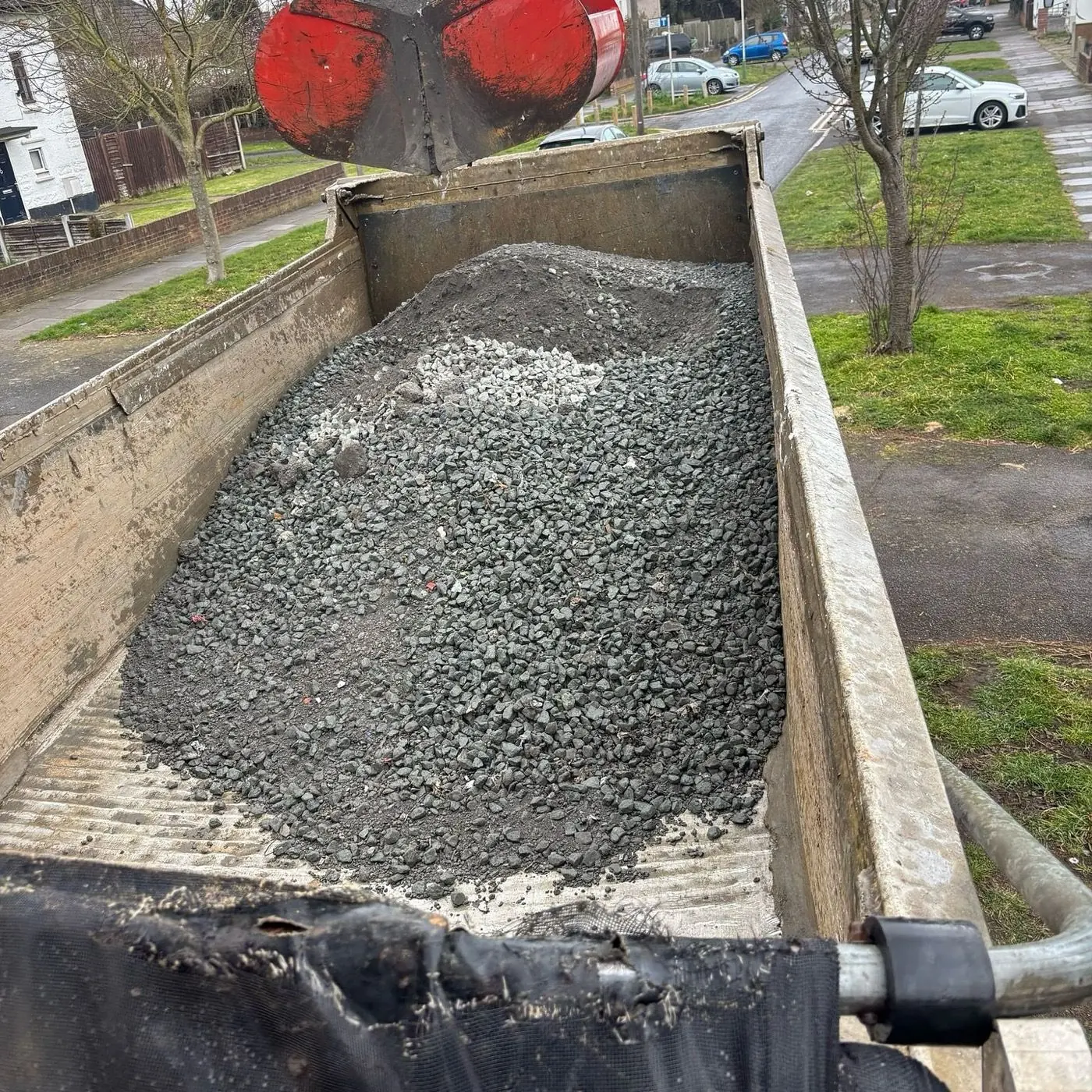
MOT Type 1 is commonly specified for compacted sub-bases. Sands and ballast have different construction uses and gradings. Topsoil is for planting and landscaping. Crushed concrete, gravel and road planings each have applications that depend on the project requirements. Confirm the grade with your builder or designer.
Primary and recycled materials
Ask for the description and grading of the material being quoted. A recycled product should be checked against the same project requirements as a primary one. Do not substitute materials without confirming their suitability for the intended use.
Estimate volume, then discuss tonnes
Multiply length × width × depth in metres. An area 5 m long, 4 m wide and 0.1 m deep is 2 cubic metres. That is a volume estimate, not a tonnage: density varies by material. Tell us whether the depth is before or after compaction and ask how the order should be planned.
Prepare for loose delivery
Choose an accessible placement area and keep materials separate. Send pictures of the entrance and delivery spot, including walls, slopes and overhead obstructions. Confirm the delivery method, minimum order and availability before booking.
Your next step
Talk through the actual job.
Bring WCR your postcode, materials, quantities and access photos.
Explore aggregates delivery